Manifest Destiny, Reconsidered: How Digitized Ship Records and DNA Evidence Are Correcting a Century of Immigration Mythology
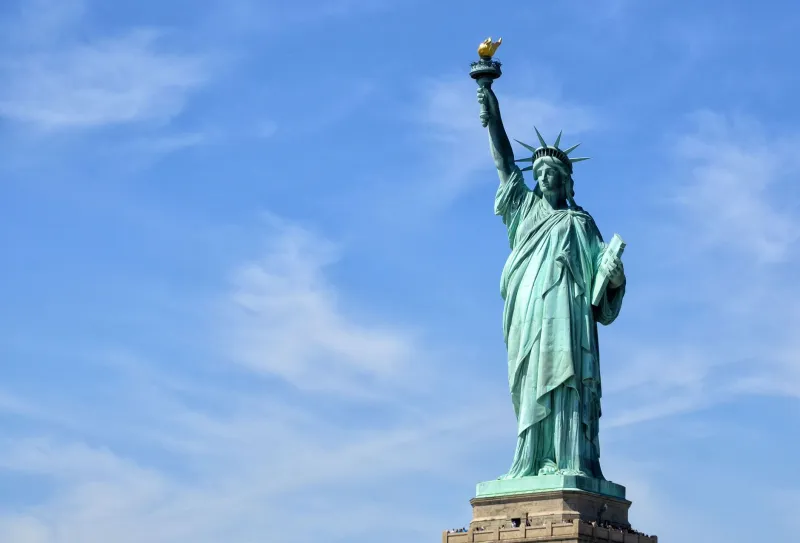
For generations, American families have passed down stories of how their ancestors arrived on these shores — names, dates, and ports of entry repeated at dinner tables until they hardened into fact. Now, a convergence of newly digitized passenger manifests and consumer DNA testing is exposing how frequently those cherished narratives diverge from the documentary record, revealing not personal fabrications but systemic failures in how this nation recorded the people who built it.
The Paper Trail That Was Never Straight
Between 1820 and 1957, the United States government required arriving ships to submit passenger lists — documents that, in theory, should constitute a near-complete record of voluntary immigration to this country. In practice, those records are riddled with inconsistencies born of haste, linguistic barriers, and the indifference of overworked port officials. During the peak immigration years between 1880 and 1924, inspectors at Ellis Island alone processed as many as 5,000 individuals per day. Under those conditions, precise transcription was rarely a priority.
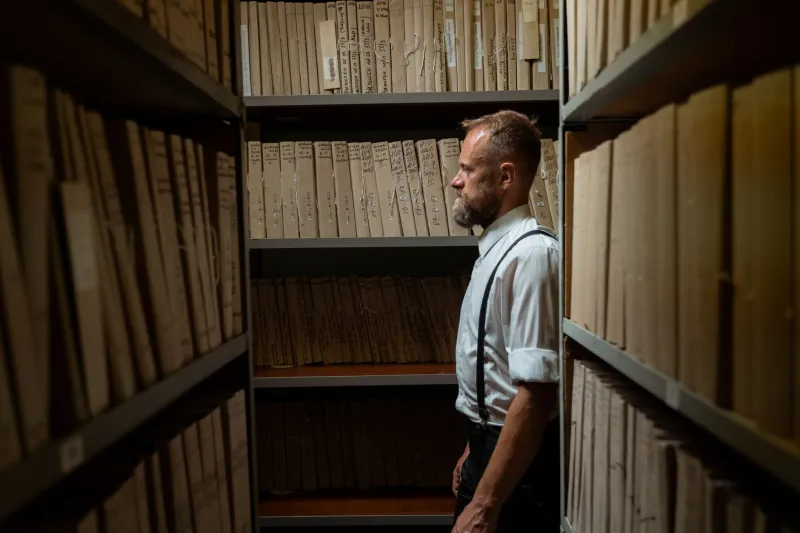
The consequences of that institutional sloppiness are only now becoming fully apparent. Thanks to large-scale digitization projects undertaken by the National Archives and Records Administration, the Family History Library, and a growing number of university consortia, millions of previously inaccessible manifests are now searchable online. Researchers cross-referencing those records against DNA ethnicity estimates and autosomal match networks are discovering discrepancies that rewrite family histories in fundamental ways.
When the Name on the Document Is Not the Name in the Family
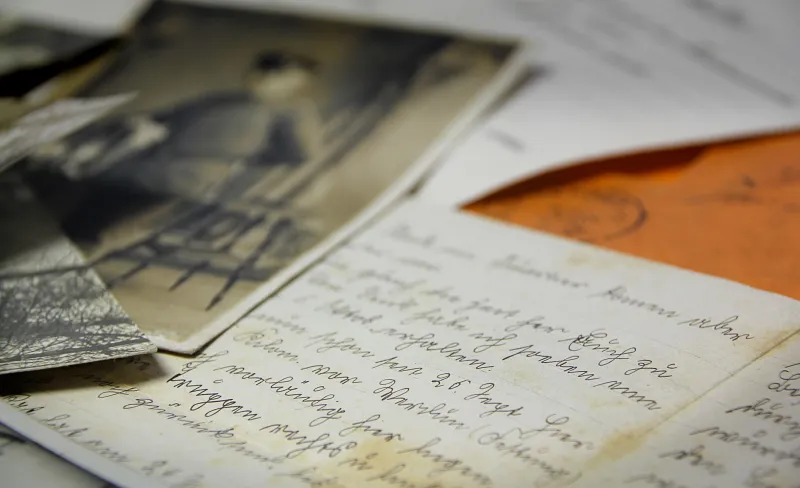
One of the most common revelations involves surname alteration. The popular legend that immigration officers routinely "Americanized" foreign names at the point of entry is, according to most historians, largely apocryphal — inspectors typically worked from ship manifests already prepared abroad, and they had little authority to unilaterally rename passengers. What the digitized records reveal instead is a more complicated truth: names were frequently altered before departure, sometimes by emigration agents, sometimes by the immigrants themselves, and sometimes by clerical errors compounded across multiple bureaucratic handoffs.
Consider the experience of researchers tracing Eastern European Jewish families who emigrated between 1900 and 1920. DNA matches routinely surface cousins whose family surnames bear no phonetic resemblance to one another, because the same ancestral name was transliterated differently from Yiddish or Hebrew at different points in the journey — once in the town of origin, once by the shipping company's booking agent, and again by the American recorder at the port. Three separate spellings of a single surname can appear across three documents describing one person's single voyage.
The archival record, when examined in full, does not lie so much as it speaks in several contradictory voices simultaneously.
DNA as a Corrective Instrument
Consumer genomic testing has introduced a new category of evidence that archival records alone cannot provide: biological continuity. When a family's oral tradition places their origins in, say, County Cork, Ireland, but their autosomal DNA profile shows overwhelming Ashkenazi Jewish ancestry with no Northwestern European markers, researchers know to look elsewhere. That discrepancy becomes a research prompt, directing archivists toward alternative spellings, alternative ports, and alternative countries of origin.
This methodology has proven particularly significant for families with origins in regions whose borders shifted dramatically during the early twentieth century — the dissolution of the Austro-Hungarian Empire, the redrawing of Eastern European boundaries after World War I, and the collapse of the Ottoman Empire all produced waves of immigrants whose national identities were, at the moment of their arrival, genuinely contested. A passenger who listed "Austria" as their country of origin in 1912 may have come from a village that is today located in Ukraine, Poland, or Romania. DNA ethnicity estimates, while imprecise as absolute measures, provide enough directional information to guide researchers toward the correct regional archive.
Systemic Erasure and the Question of Accountability
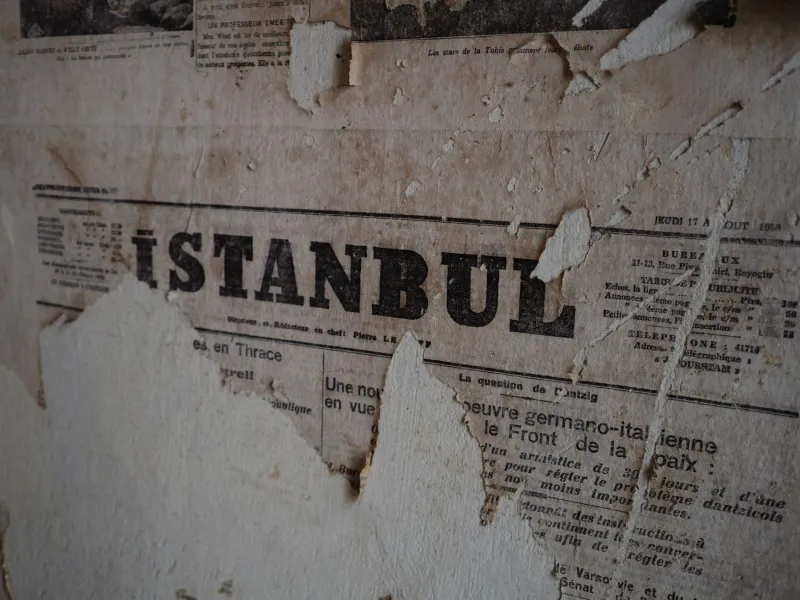
Not all discrepancies between family memory and archival record stem from transcription error. Historians examining the manifests of Caribbean and Latin American immigrants from the early twentieth century have documented patterns of deliberate misclassification — individuals recorded under racial categories that did not reflect their self-identification, or assigned national origins that obscured their actual ancestry in ways that had direct legal consequences under the immigration restriction laws of the era.
The Immigration Act of 1924, which established national-origin quotas, created powerful incentives for both immigrants and port officials to record arrivals in particular ways. Families who understood that certain origins carried lower quota allocations — and therefore higher barriers to legal entry — sometimes arrived with documentation that emphasized different aspects of their heritage. The manifests that survive are therefore not neutral administrative records; they are artifacts of a specific legal and political environment that shaped what could safely be written down.
Digitization has made these patterns legible at scale for the first time. Researchers can now analyze thousands of records simultaneously, identifying statistical anomalies that suggest systematic misclassification rather than individual error. That analytical capacity is transforming immigration history from a field dominated by aggregate statistics into one capable of recovering individual stories.
The Living Archive
What makes this moment particularly significant for American historical research is the combination of accessibility and biological evidence. Earlier generations of genealogists worked with whatever paper records they could locate in person, often traveling to county courthouses, church archives, and foreign national repositories. The digitization of ship manifests has democratized that research enormously, placing primary sources within reach of anyone with an internet connection.
DNA testing has added a dimension that paper alone could never provide: a biological link to the past that cannot be forged, lost in a courthouse fire, or deliberately altered by an overworked port inspector. Together, these tools are not merely correcting individual family trees. They are building a more accurate collective portrait of how this nation was populated — one that is, in nearly every case, more complicated, more diverse, and more human than the official record ever managed to capture.
The ships that carried millions of people to American shores were, in a sense, the first archivists of the immigrant experience. The manifests they generated were imperfect instruments from the start. Recovering what those documents obscure, through every available tool, is not merely an act of genealogical curiosity. It is a form of historical justice.