What the Ledgers Knew: Corporate Archives and the Hidden Human Cost of American Industry
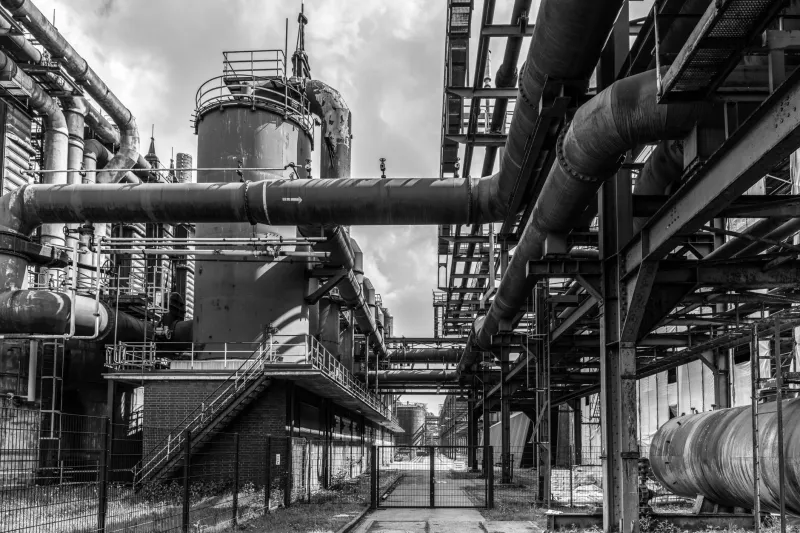
For much of the nineteenth and early twentieth centuries, American industry kept two sets of books. One was intended for shareholders, regulators, and the occasional newspaper correspondent. The other — fragmented across insurance ledgers, legal settlement files, and internal compensation registers — recorded something far more uncomfortable: the precise, quantified cost of human life inside a coal seam, a textile loom room, or a garment factory stairwell. Historians and archival researchers are now working to reconcile these two accounts, and the gap between them is staggering.
The Paper Trail That Companies Left Behind
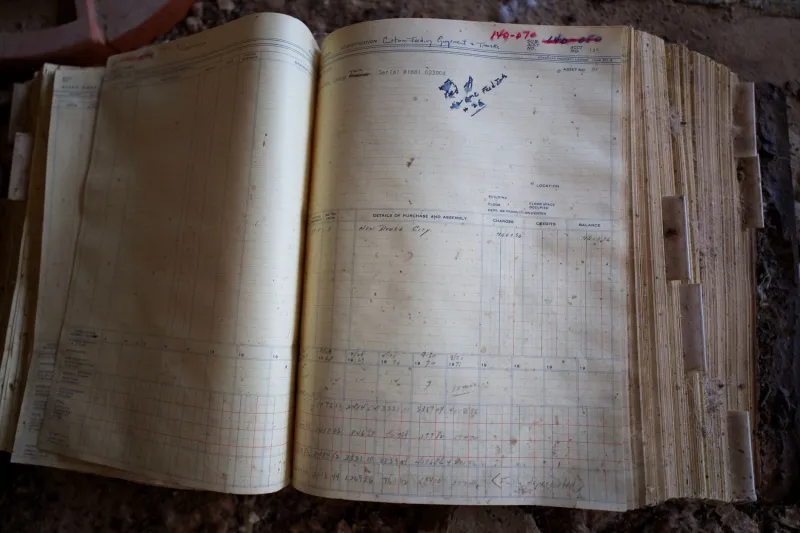
Corporate records were never designed to be confessional documents. They were instruments of liability management. Yet that very purpose makes them extraordinarily revealing. When a mining company in southwestern Pennsylvania settled a wrongful death claim in 1907, its legal department generated paperwork — correspondence with insurers, internal memos quantifying exposure, actuarial tables assigning dollar values to specific types of injury. Those documents, often preserved in county courthouse archives or the collections of defunct insurance carriers, contain casualty data that company press releases and state safety reports conspicuously omitted.
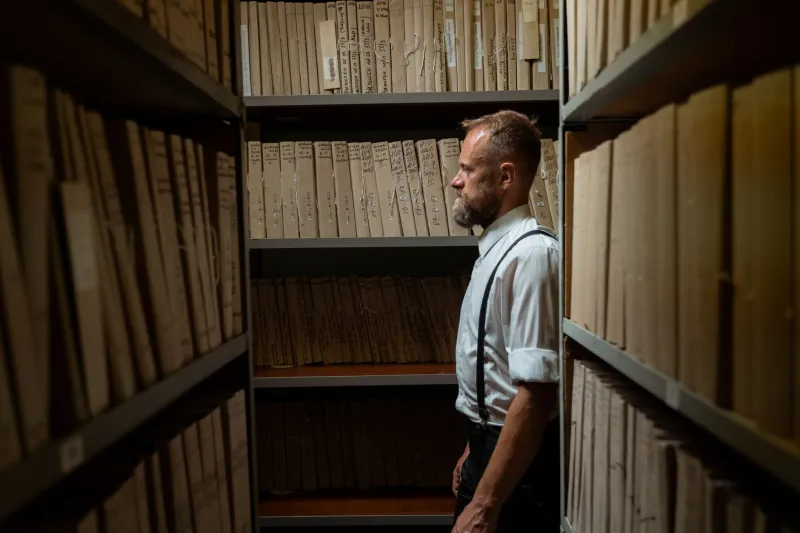
Researchers at several university-based history centers have begun systematically acquiring and indexing these materials. The process is painstaking. Corporate archives, when they survive at all, are rarely organized for public access. Many were transferred to university libraries or state historical societies only after parent companies dissolved or merged. Others were discovered in storage facilities, legal firm basements, or the private collections of former executives' descendants. Each acquisition requires forensic archival work: dating documents, establishing chain of custody, and cross-referencing entries against independent sources before any figure can be treated as reliable.
Reconstructing the Real Casualty Count
One of the most consequential methodological advances in this field is the practice of triangulating corporate records against cemetery data and church burial registers. Official state fatality counts from early twentieth-century industrial accidents are notoriously unreliable. Causes of death were frequently misattributed. Workers who died of silicosis, black lung disease, or textile-related respiratory conditions weeks or months after leaving employment were rarely included in workplace fatality statistics. Companies had strong financial incentives to ensure they were not.
By comparing compensation payout records — which typically identified injured or deceased workers by name, age, and department — against death certificates filed in the same counties during the same periods, researchers have in several documented cases identified fatality undercounts of thirty to fifty percent. In one ongoing study focused on anthracite coal operations in northeastern Pennsylvania, a research team cross-referenced payroll termination records with Catholic and Protestant parish burial registers and found dozens of deaths attributed to "natural causes" among men in their twenties and thirties who had been removed from company employment rolls within the preceding six months.
The Triangle Shirtwaist Factory fire of 1911 remains the most studied industrial disaster in American history, yet even its casualty record has been subject to revision. Court documents from subsequent civil litigation, recently digitized by a consortium of New York legal archives, contain witness depositions and insurance claim schedules that name individuals absent from the official death toll. Some were undocumented workers whose families, fearing immigration consequences, never filed formal claims. The company's own loss adjustment files, preserved at a New York State archive, itemized payouts that do not correspond to any publicly acknowledged victim.
The Architecture of Concealment
Understanding why these discrepancies exist requires understanding how industrial-era companies managed information as deliberately as they managed machinery. Legal departments routinely advised that settlement agreements include non-disclosure provisions. State safety inspectors, chronically underfunded and often politically dependent on the industries they regulated, had limited capacity and sometimes limited motivation to challenge company-supplied figures. Newspapers in company towns operated under explicit or implicit editorial constraints.
Workers' compensation systems, introduced state by state beginning around 1910, paradoxically created new opportunities for data suppression. While they formalized the process of compensating injured workers, they also routed claims through private insurance carriers whose records were proprietary. A settlement paid quietly through an insurer generated no public court filing. Researchers working in this area describe the compensation system as having functioned, in practice, as a mechanism for resolving liability without producing the kind of public legal record that might attract scrutiny.
Digital Tools and the Expanding Archive
The current generation of researchers benefits from digital tools that were simply unavailable to earlier historians. Optical character recognition software has made it possible to search thousands of pages of handwritten ledger entries for names, dates, and dollar amounts. Geographic information systems allow researchers to map claim concentrations against known disaster sites, identifying patterns that suggest systematic underreporting in specific facilities or time periods.
Several collaborative projects are now building linked databases that connect corporate compensation records with census data, death registries, and court filings. The goal is not merely to revise individual casualty figures but to construct a comprehensive accounting of industrial mortality that can inform both historical scholarship and contemporary policy discussions about workplace safety regulation.
The records, in other words, are not finished speaking. They were written to limit liability. They are now being read to establish it.
Why This Work Matters
The stakes of this research extend beyond historical accuracy. Descendants of workers killed or disabled in industrial accidents have in some cases used archival findings to pursue recognition, memorial designation, or, in limited circumstances, legal remedies. Community organizations in former industrial towns have drawn on corporate archive research to support claims for environmental remediation, arguing that documented patterns of concealment extend from human casualty figures to contamination data.
More broadly, the project of recovering these records is an argument about whose experience gets preserved and whose gets managed out of the historical account. The ledgers that industrial companies kept were instruments of power. Reading them carefully — against the grain of their original purpose — is one way that archival research continues to uncover the past that official records were built to obscure.