Tracing the Thread: A Beginner's Roadmap to Discovering Your Family's History Through Free Government Records
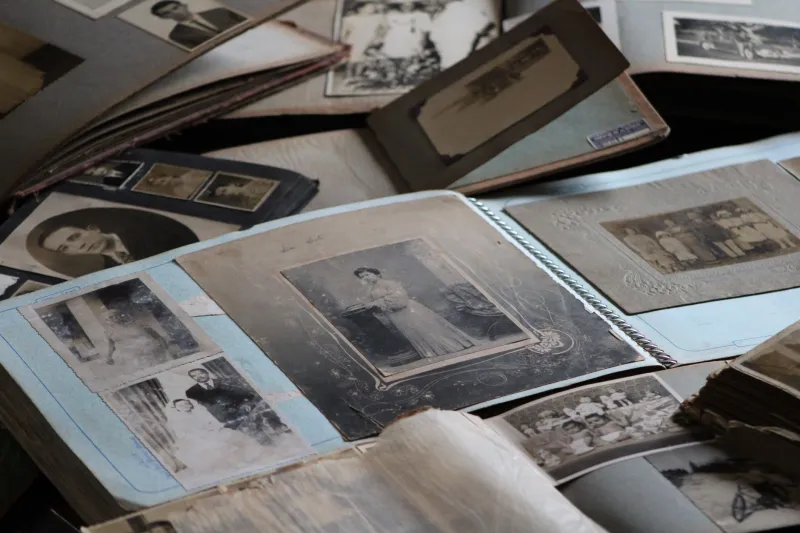
Every family carries its own archive — fragments of memory, a handful of old photographs, perhaps a naturalization certificate tucked inside a Bible no one has opened in decades. For most Americans, however, the deeper story of where their family came from, what their ancestors endured, and how they navigated the currents of American history remains largely unknown. The assumption that genealogical research requires expensive subscriptions or professional expertise keeps many people from ever starting.
The reality is considerably more encouraging. Federal, state, and local governments have been generating records about American residents for more than two centuries, and a substantial portion of that documentation is now digitized, indexed, and available at no cost. What follows is a practical roadmap for anyone ready to begin — along with strategies for pushing through the obstacles that inevitably arise.
Start With What You Already Know
Before opening a single database, spend time documenting what your family already knows. Conduct informal interviews with older relatives, and ask not just about names and dates but about places, occupations, religious affiliations, and stories passed down through generations. These details — however imprecise — become the coordinates that guide your search.
Record everything in a consistent format. Even unverified family lore is useful: if your grandmother believed her grandfather came from a particular region of Poland, that belief shapes where you look, even if the specifics turn out to be inaccurate. The goal at this stage is not certainty but orientation.
Once you have a foundation, work backward from the present. Begin with yourself and move toward the past one generation at a time. This approach ensures that every step you take is grounded in verified information, reducing the risk of following the wrong family line — one of the most common and time-consuming mistakes in genealogical research.
The National Archives: Your Most Powerful Free Resource
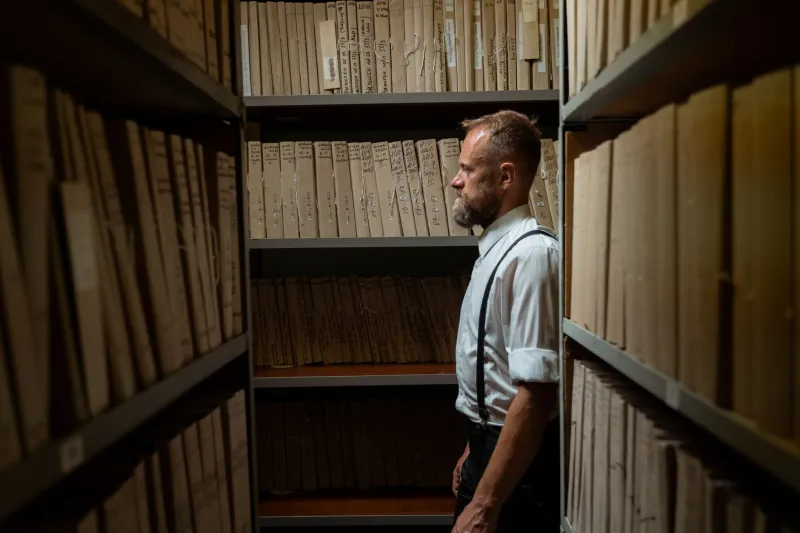
The National Archives and Records Administration (NARA) is, for most American researchers, the single most valuable institutional resource available. Its holdings include federal census records, military service and pension files, immigration and naturalization documents, land records, and much more — spanning from the founding of the republic to the mid-twentieth century.
A substantial portion of NARA's holdings can be accessed through its free online portal at archives.gov, as well as through its partnership with third-party platforms. The National Archives Catalog allows users to search millions of digitized records directly, and the agency's Access to Archival Databases (AAD) system provides entry points to specific record groups that are not available elsewhere without charge.
For researchers tracing military ancestry, the fold3.com platform hosts a large collection of NARA military records, though full access requires a subscription. However, many basic service records and pension files from the Civil War era and earlier are freely accessible through the National Archives Catalog itself. A pension file, in particular, can be a remarkable find: these documents frequently contain physical descriptions, personal statements, and testimony from neighbors and family members that bring an ancestor into vivid focus.
Navigating the Federal Census
The decennial federal census is the backbone of American genealogical research. Conducted every ten years since 1790, the census captured the names, ages, birthplaces, occupations, and household compositions of residents across the country. Because census records are subject to a 72-year privacy restriction, the most recent publicly available census is from 1950, which was released in 2022.
The 1950 census is now fully searchable and freely accessible through the National Archives. For earlier censuses, the FamilySearch platform — operated by The Church of Jesus Christ of Latter-day Saints — provides free access to digitized and indexed census records from 1790 through 1940. FamilySearch is one of the most powerful free genealogical tools available to American researchers and is frequently underutilized by beginners.
When searching census records, be prepared for spelling inconsistencies. Enumerators recorded names phonetically, and surnames that appear one way in a family's own records may appear quite differently in a census. Searching by first name and approximate age, or by other household members, can help locate entries that a straightforward surname search would miss.
Immigration Records and the Paper Trail of Arrival
For Americans with immigrant ancestry — which is to say, the vast majority — passenger arrival records and naturalization documents are among the most historically rich sources available. The period between roughly 1880 and 1930 saw the largest wave of immigration in American history, and the federal government documented arrivals in considerable detail.
Passenger lists from this era, commonly called ship manifests, recorded not only names and ages but also the immigrant's last place of residence, their destination in the United States, the name of a contact person, and — in later years — physical descriptions and literacy information. These records are freely searchable through FamilySearch and through the Ellis Island Foundation's database at libertyellisfoundation.org, which covers the period from 1892 to 1957.
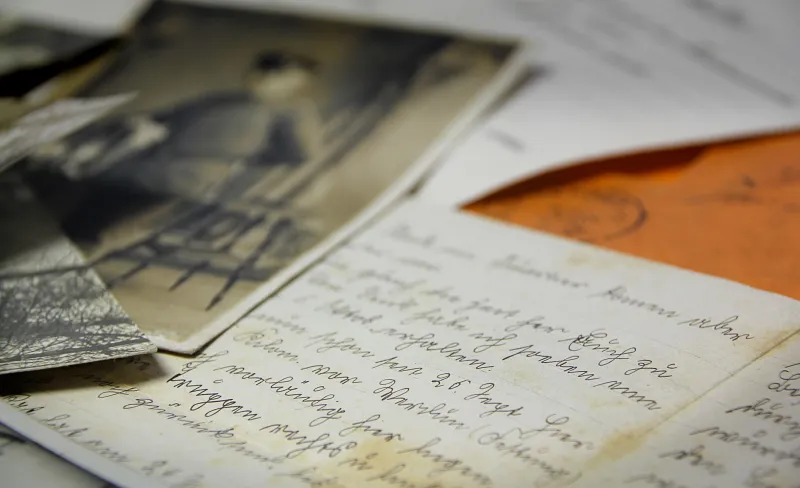
Naturalization records, which document the process by which immigrants became citizens, are held at multiple levels — federal, state, and county courts all processed naturalizations at various points in history. NARA holds many of these files, and state archives frequently hold complementary collections. A Declaration of Intention (informally known as "first papers") often recorded an immigrant's birthplace, birthdate, and physical description in greater detail than any other surviving document.
Lesser-Known Collections Worth Exploring
Beyond the well-known census and immigration databases, several government record collections receive far less attention from beginning researchers despite offering extraordinary historical detail.
The General Land Office records, freely available through the Bureau of Land Management's GLO Records database at glorecords.blm.gov, document the original transfer of public land to private ownership across much of the United States. If your ancestors settled in the Midwest, the South, or the West, there is a meaningful chance that a land patent record bearing their name — often with a hand-drawn plat map — is waiting in this database.
City directories, while not strictly government records, were compiled with quasi-official regularity in American cities from the early nineteenth century onward. Digitized collections are available through the Internet Archive and through many state and local library systems. These annual volumes listed residents by name, occupation, and address, providing a year-by-year window into an ancestor's urban life that census records, taken only once per decade, cannot replicate.
The Freedmen's Bureau records, discussed at length in genealogical circles for their importance to African American family research, are freely searchable through FamilySearch following a large-scale digitization and transcription effort. For descendants of enslaved people, these records — which include labor contracts, marriage registers, and ration records from the Reconstruction era — frequently represent the earliest documentary evidence of an ancestor's existence as a free individual.
When You Hit a Wall
Every genealogical researcher eventually encounters a dead end: a record that no longer exists, an ancestor who appears in one document and vanishes from the next, a surname too common to narrow down without additional context. These obstacles are not signs of failure. They are simply the nature of historical research.
When progress stalls, broaden your search to include collateral relatives — siblings, cousins, and in-laws — who may appear in records that shed indirect light on your direct ancestor. Consult county and state histories, which were published in large numbers during the late nineteenth century and frequently include biographical sketches of local residents. And consider reaching out to local genealogical societies, many of which maintain their own collections of records not available through national databases.
The past does not give up its secrets easily. But it gives them up to those who look carefully, ask the right questions, and understand that every record is, at its core, a trace of a human life. Your family's history is out there, distributed across the archives and databases of a nation that has been documenting itself for more than two centuries. The thread is waiting to be found.